The short answer
- Learn one repeatable loop first: hook a manageable creature, survive the fight, finish the catch and return to sell ordinary loot.
- Buy an upgrade only when it fixes the thing ending your run—damage taken, control, catch speed or travel—not just because the shop is open.
- Keep unfamiliar, named or unusual drops until you have checked whether they are needed for a quest, unlock or special interaction.
- Before using an item that clearly starts a boss or major encounter, save, restock and decide who handles damage, control and revives in co-op.
See it in the game

Videos open on YouTube. Unless a timestamp is cited in the Sources section, use them for visual context—not as a guaranteed drop table or fix.
The first 10 minutes: learn the whole loop
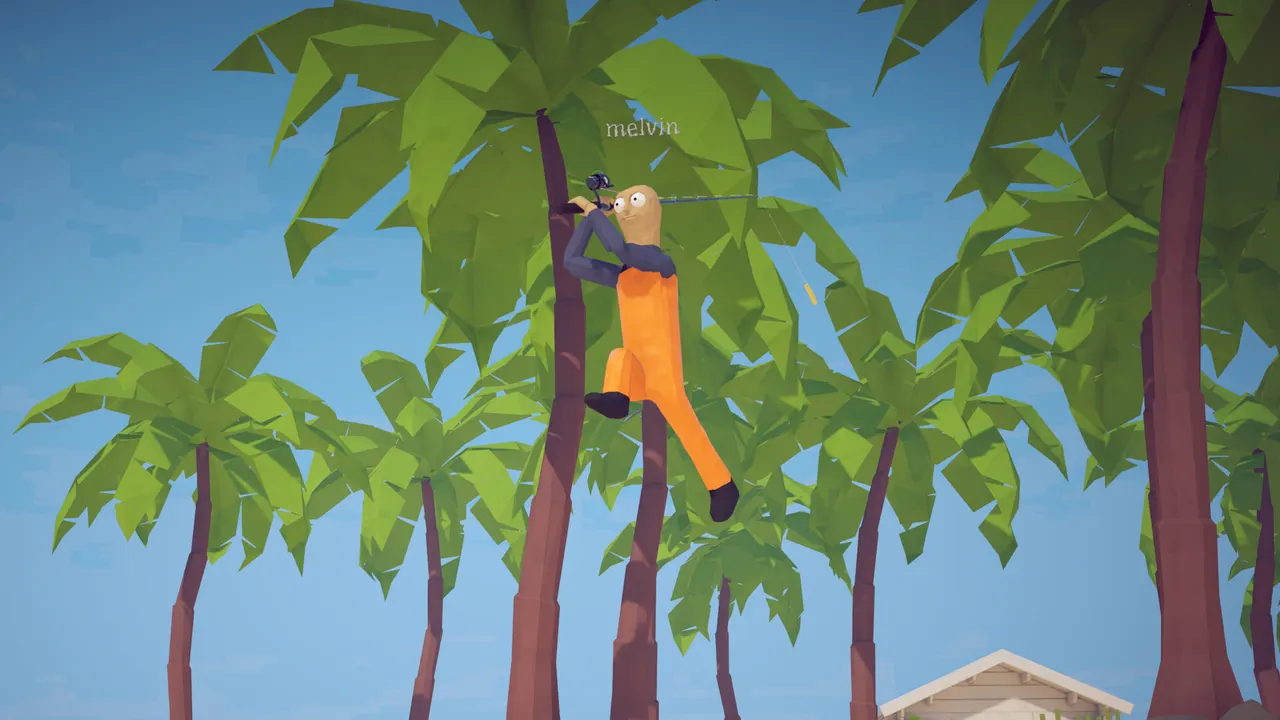
Do not judge the game from the cast alone. A catch can turn into a movement and combat problem, so the useful beginner skill is completing the entire loop consistently. Choose a nearby target you can control, watch what causes damage or breaks the attempt, then make one adjustment before casting again.
After a successful catch, return and check what the game lets you sell, equip or use. Ordinary repeat catches are the safest early source of cash. A unique name, unusual appearance or one-off reward is a reason to pause before selling.
- 1
Make one close, low-risk cast and learn the hold/release input before changing equipment.
- 2
Finish the encounter and note whether health, movement, damage or catch control was the limiting factor.
- 3
Sell repeat ordinary catches; keep anything unusual until its purpose is clear.
- 4
Spend on the single bottleneck you just observed, then repeat the same route once to see whether the upgrade helped.
Spend cash by bottleneck, not by shop order
Early shops encourage browsing, but buying one of everything makes it hard to tell what changed. If you are dying, prioritize survivability or switch to Easy while learning. If the catch escapes, work on the input and relevant equipment. If travel is the problem, improve mobility only after the basic catch loop is stable.
Patch 1.0.9 added explicit Easy, Normal and Hard settings. Easy reduces incoming damage, so it is a legitimate learning tool rather than a permanent commitment. The difficulty page records the published modifiers and where to change them.
Protect unusual items and your save
A first playthrough is most vulnerable when a new item looks like ordinary sale loot. Keep at least one unfamiliar named item until you have checked the surrounding quest or interaction. The same caution applies before a major trigger: save normally, return to a safe state and make a backup only if you are about to troubleshoot files.
The developer's Patch 1.0.6 notes say Save, Main Menu and Quit write the save and that the game autosaves every minute. That makes a normal menu save the first step; manually editing or deleting files is not.
Prepare before a boss or major trigger
When an item description, location or prompt clearly signals a boss encounter, treat using it as a one-way decision for the next few minutes. Finish shopping, choose the difficulty, restore health and make sure every co-op player is ready before activating it.
In co-op, assign simple jobs rather than having everyone chase the same target: one player keeps the encounter controlled, one focuses damage and another watches revives or hazards. If joining fails or the screen stays black, separate the network/lobby symptom from a local launch problem before changing unrelated settings.
First-hour checklist
- 1
Complete one full catch-and-sell loop without changing several settings at once.
- 2
Choose difficulty from the problem you actually have, not from pride or assumed rewards.
- 3
Keep one copy of every unfamiliar named or visually unusual item.
- 4
Confirm a normal save before a boss trigger or troubleshooting step.
- 5
Use the symptom guides if fish stop biting, multiplayer fails, the radar disappears or performance becomes unstable.
- 6
Only chase collection variants after your basic route is reliable; rare Drip catches are completion work, not the first-hour economy.
Sources used on this page
Community observations are useful leads, but they are not official drop probabilities.